Causes of infertility
What can affect fertility?
Fertility can be affected by many different things, and sometimes there is more than one reason pregnancy is taking longer than expected.
At Eve Health in Brisbane, we often meet people who have been searching online and feel overwhelmed by all the different information. Learning about the common causes of infertility can be a helpful place to start.
Causes of infertility
Age and fertility
Age can play a role in fertility for both women and men. For women, the number and quality of eggs naturally reduce over time, with fertility becoming more noticeably affected from around age 35. This does not mean pregnancy cannot happen after 35, but it may take longer and the chance of needing fertility support may increase.
AMH, or anti-Müllerian hormone, is a blood test that can help estimate ovarian reserve, which means the number of eggs remaining. AMH can be useful as part of a fertility assessment, but it does not tell us everything. It does not measure egg quality, and it cannot predict with certainty whether someone will or will not fall pregnant naturally.
Male fertility can also change with age, including changes in sperm count, movement and quality.
At Eve Health in Brisbane, age is considered alongside your cycle, symptoms, medical history and test results, so your care is based on the full picture.
Ovulation problems
Ovulation is when an egg is released from the ovary. It is an important part of getting pregnant, so if ovulation is irregular or not happening often, it can make conception more difficult.
Some signs that ovulation may not be regular include:
- irregular periods
- very long or very short cycles
- absent periods
- finding it hard to predict your fertile window
PMOS (formerly known as PCOS) is one common reason ovulation can become irregular, and this can sometimes contribute to infertility.

Does endometriosis affect fertility?
Endometriosis happens when tissue similar to the lining of the uterus grows outside the uterus.
For some people, it can cause inflammation, scarring and pelvic pain. It may also affect fertility, although not everyone with endometriosis will have trouble falling pregnant.
Endometriosis can sometimes make conception harder by affecting the ovaries, fallopian tubes, egg quality, or the way the egg and sperm meet.
If you have painful periods, pain during sex, or ongoing pelvic pain, it is worth speaking with your GP or a fertility specialist.
Other gynaecological conditions
Some gynaecological conditions can also play a role in fertility, including:
These conditions do not always affect fertility. When they do, it may depend on things like their size, location, or severity. Sometimes they can affect ovulation, implantation, or the health of the uterus and fallopian tubes.
Male fertility factors
Fertility is not only about female reproductive health. Sperm health is an important part of conception too.
Male fertility factors may include:
- low sperm count
- reduced sperm movement
- hormonal conditions
- medical issues or previous surgery
- lifestyle factors
A semen analysis is often one of the first tests recommended during a fertility assessment. It can help give a clearer picture of sperm number, movement and shape.
Lifestyle and health factors
Your general health can also influence fertility. This does not mean you need to be perfect. It simply means some everyday factors may affect reproductive health.
These can include:
- smoking or vaping
- alcohol or drug use
- ongoing stress
- poor sleep
- weight changes
- some medications or medical conditions
Small, realistic lifestyle changes may support fertility and overall wellbeing.
Unexplained infertility
Sometimes, fertility testing does not find a clear reason why pregnancy is not happening. This is called unexplained infertility.
This can feel incredibly frustrating, especially when you are hoping for clear answers. It is also more common than many people realise.
Even when no obvious cause is found, there may still be treatment and support options available.
When should you seek fertility treatment?
If you have been trying to conceive for:
- 12 months if you are under 35
- 6 months if you are over 35
It may be time to speak with your GP or a fertility specialist in Brisbane.
You may also want to seek advice earlier if you have:
- Irregular periods
- Known endometriosis or PCOS
- A history of miscarriage
- Pelvic pain
- Previous pelvic surgery
What happens at your first fertility appointment at Eve Health?
Your first fertility appointment at Eve Health in Brisbane is a chance to sit down with a specialist and talk through your story, your health history, your reproductive history, your lifestyle, and what matters most to you.
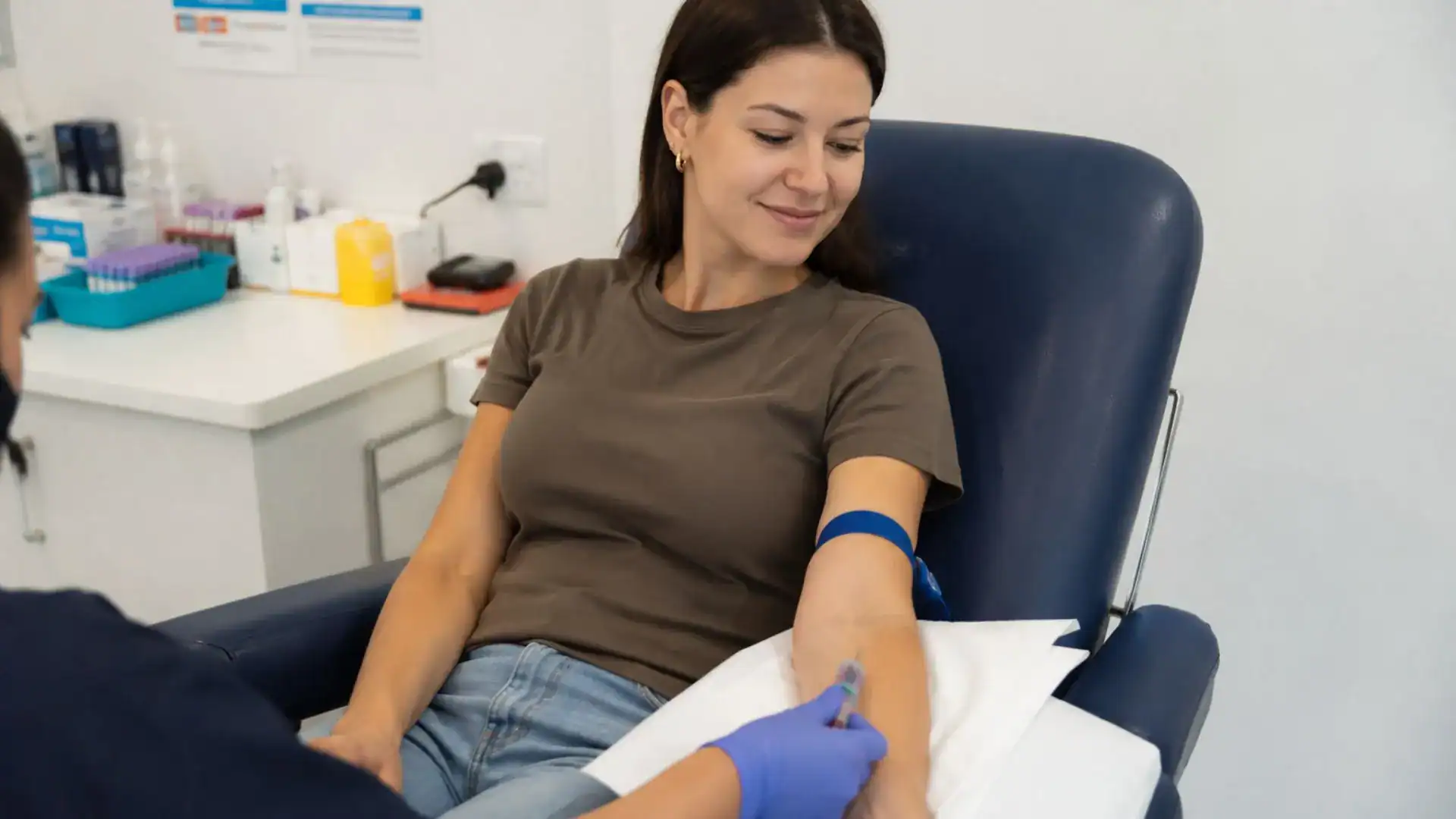
Your fertility specialist may recommend tests to better understand what could be affecting your fertility. These may include:
- semen analysis, where relevant
- blood tests to check hormones, immunity, infectious disease screening, blood group and genetic screening
- a pelvic ultrasound, which may be done in-house depending on your appointment type and individual circumstances, to assess the uterus, ovaries and other reproductive organs
These tests help build a clearer picture of what may be happening, including ovulation, egg and sperm health, hormone balance, the uterus and fallopian tubes, and the body’s ability to support implantation.
Finding answers can sometimes take time, and every person or couple’s journey is different. At your follow-up appointment, we will usually talk through your results and explain the next steps.
Comments are closed.